top of page
Sensory Smart
Parent
- - - - - - -
Nancy Peske
coauthor of Raising a Sensory Smart Child

Sample of a Sensory Diet


Sample of a Sensory Diet
Here is a sample sensory diet, created for a second grade child with sensory processing disorder.
Note that activities must be individualized for each child and modified frequently to meet changing needs.
A separate program was worked out for this child with the school, including frequent movement breaks, an inflatable seat cushion for wiggling while remaining seated, and providing crunchy/chewy oral comfort snacks at handwriting time.
In the Morning
-
Massage feet and back to help wake up
-
Listen to recommended therapeutic listening CD
-
Use vibrating toothbrush and/or vibrating hairbrush
-
Eat crunchy cereal with fruit and some protein
-
Spin on Dizzy Disc Jr. as directed
-
Jump on mini-trampoline as directed
After school
-
Go to playground for at least 30 minutes
-
Push grocery cart or stroller
-
Spinning as directed
-
Mini-trampoline. Add variety: have him play catch or toss toys into a basket while jumping.
-
Massage feet to “reorganize,” use therapy putty, make “body sandwiches,” wheelbarrow walk
-
Do ball exercises as directed
-
Listen to therapeutic listening CD
-
Oral work — suck thick liquids through a straw, eat crunchy and chewy snacks, or chew gum before and/or during tabletop activities
At dinnertime
-
Help with cooking, mixing, chopping, etc.
-
Help set table, using two hands to carry and balance a tray
-
Provide crunchy and chewy foods
At night
-
Family time: clay projects, painting projects, etc.
-
Warm bath with bubbles and calming essential oil
-
Massage during reading time
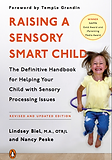
BUY Raising a Sensory Smart Child and learn more about helping your child who has sensory processing issues.
Click Below for more information on sensory specific age groups
Join the Sensory Smart Mailing List and receive a FREE sensory checklist!
bottom of page